In-Laws & Families
Arranged and love marriages start with different information, not different odds
The two routes front-load different knowledge and defer different discoveries. What each one tends to know early, what it tends to miss, and where the first year differs.
The options around arranged and love marriages are set out side by side below, with the conditions that genuinely favour one over the other.
The difference in one place
- Arranged introductions front-load family and background information; love matches front-load personal compatibility.
- Each route defers a different set of discoveries to the first year.
- Both cover an enormous range, from full autonomy to serious pressure, and the amount of choice matters more than the label.
Two routes, two information orders
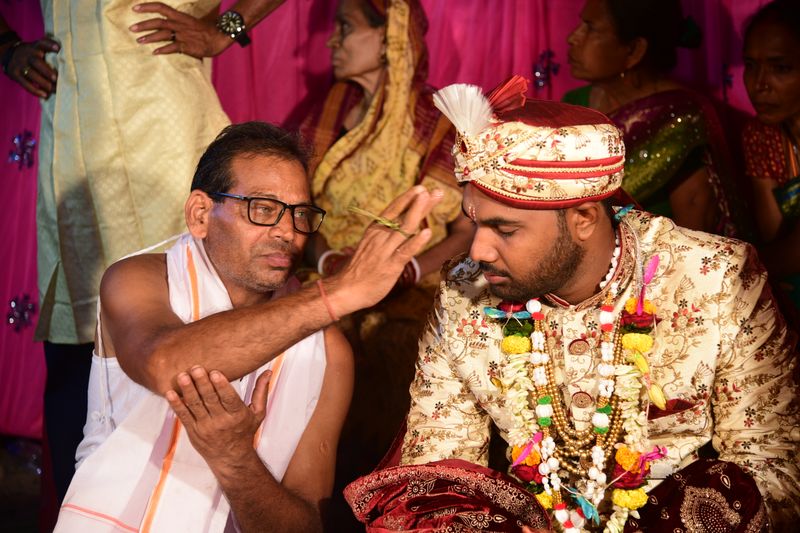
An arranged introduction typically begins with detailed knowledge of family, background, finances and expectations, and personal compatibility is assessed afterwards. A love match usually begins with personal compatibility established over time, and family, money and expectations are discovered later. Neither sequence is superior, and each front-loads what the other defers, which shapes where the surprises land in the first year.
Claims that one route produces more durable marriages are common and poorly supported, since the comparisons involve very different populations and social contexts. The more useful framing is what each of you already knows and what you have not yet found out.
What arranged introductions know early
Family expectations, living arrangements, financial position and the practical shape of the future are typically discussed before any commitment. That means a couple often starts marriage with the questions that love matches argue about in year two already settled. Both families have usually met, which removes a category of surprise and gives the couple an established context.
On the joint account, what is generally not known is the daily texture of the person: their habits, their conflict style and how they behave under pressure. The first year therefore tends to involve rapid personal discovery inside an already-settled practical framework.
What love matches know early
A couple who chose each other independently usually knows the personal material well: how the other argues, sulks, recovers and behaves when tired. What frequently remains unexamined is family expectation, money, obligations to relatives and assumptions about where and how you will live.
Those questions can be deferred almost indefinitely while dating and become urgent immediately after the wedding. The first year therefore often involves practical and family negotiations inside an already-established personal relationship. Neither position is enviable, since both involve doing the deferred work under the pressure of already being married.
The range inside each label
Arranged covers everything from an introduction with a full veto and months of unsupervised conversation to arrangements with very little choice. Love matches likewise range from complete autonomy to relationships conducted under substantial family disapproval and pressure. The variable that matters is not the label but how much genuine choice each person had and how much pressure was applied.
A marriage entered under coercion is a different matter entirely, and forced marriage is illegal in many countries and has dedicated support services.
Anyone facing pressure to marry against their will can contact a forced marriage support organisation or the relevant authority in their country.
What to do in the first year
Couples from arranged introductions benefit from deliberately building the personal knowledge that others accumulated while dating. That means unstructured time together, conversations with no practical agenda, and being explicit that you are still learning each other.
On the joint account, couples from love matches benefit from having the practical conversations they postponed, covering money, family obligations and long-term plans. Both should resist the assumption that anything unresolved reflects the route they took, since first-year friction is close to universal. Writing down what you do not yet know about each other is a surprisingly effective exercise for either starting point.
What works for another couple is evidence about them, not instruction for you.
Handling other people's opinions
Both routes attract commentary, and couples frequently find themselves defending a choice that was not anyone else's to make. Agreeing a short standard reply, rather than explaining, prevents the topic consuming family gatherings and social occasions.
On the joint account, within the couple, avoid using the route as ammunition, since you chose me is as unhelpful as our families arranged this in an argument. Where one partner's family disapproved of the match, that history needs handling deliberately rather than being allowed to sit unaddressed. The marriage is the relationship you have now, and how it began stops being informative surprisingly quickly.
Side by side
| Consideration | What it means in practice |
|---|---|
| Two routes, two information orders | Arranged introductions front-load family and background information; love matches front-load personal compatibility. |
| What arranged introductions know early | Each route defers a different set of discoveries to the first year. |
| What love matches know early | Both cover an enormous range, from full autonomy to serious pressure, and the amount of choice matters more than the label. |
The takeaway
Work out which questions your route deferred, and answer those on purpose rather than discovering them during an argument.
Being known is worth more than being agreed with.
Questions readers ask
Do arranged marriages last longer?
Comparisons are unreliable because the populations, social contexts and divorce norms differ so much. What matters more is the degree of genuine choice each person had.
We had an arranged introduction and barely know each other. What should we prioritise?
Unstructured time with no practical agenda. The practical framework is usually settled already; the personal knowledge is what has to be built deliberately.
Also by Nakul Vaish
- Repair matters more than avoiding the ruptureDisagreeing Well
- Festivals and holidays: the alternating-year rule and why it breaksIn-Laws & Families
- When one family visits constantly and the other barely doesIn-Laws & Families
- My family is just like that is doing real work in an argumentIn-Laws & Families