Money Together
The first shared budget is a values conversation wearing a spreadsheet
You are not arguing about the grocery number. You are arguing about what money is for, and neither of you has ever said it out loud.

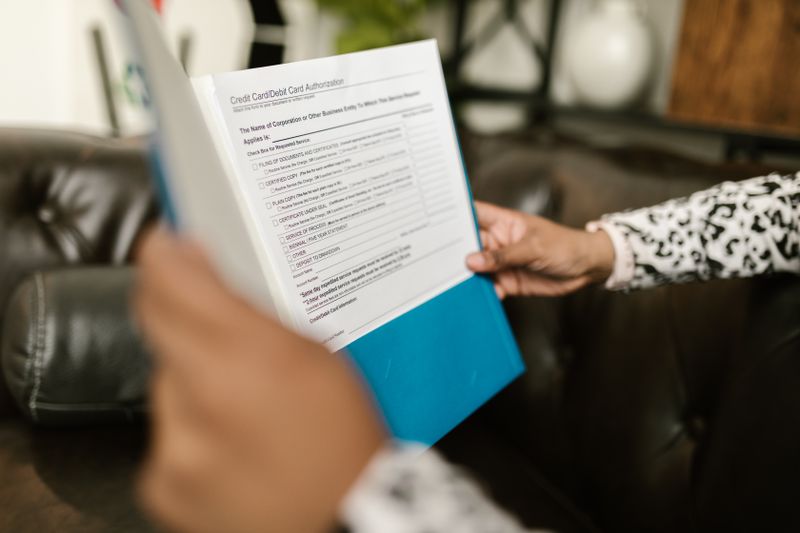
Both approaches to building a first joint budget work. What differs is what they cost you, and the cost is what this sets out.
The difference in one place
- Every spending disagreement is a disagreement about what money is meant to buy.
- Fixed costs, obligations and savings should be settled before any discretionary argument starts.
- General information only: take regulated advice for tax, property, pensions or debt in your own country.
Why the numbers argument is never about numbers
A couple can agree on arithmetic and still fight for an hour, because the disagreement sits underneath the figures rather than inside them. One person hears a large savings target as security and the other hears it as a decade of saying no to things. Neither of them is being irrational, and both are applying a rule about money that was installed long before they met each other.
Until those rules are stated, every category becomes a separate battle and the same argument reappears in a different row of the spreadsheet. Naming what money is for, in one sentence each, resolves more disagreements than any budgeting app will.
What each of you was taught money is for
People who grew up with financial insecurity often treat savings as protection, and a low balance produces genuine physical anxiety rather than mild concern. People who grew up with stability more often treat money as a tool for experience, and treat a large idle balance as a wasted opportunity. Households where money was a source of conflict tend to produce adults who avoid the topic entirely, which is its own expensive habit.
Ask what your parents argued about financially and what you promised yourself you would do differently, since the answers are usually immediate and revealing. None of these positions is wrong, and the point of asking is to be able to name the difference rather than to resolve it.
Security, freedom and status
Most money preferences reduce to three underlying wants: feeling safe, keeping options open, and being seen a particular way by others. A partner buying an expensive item may be pursuing status, or may be pursuing the freedom of not having to think about the purchase again.
Guessing which one is in play produces bad arguments, and asking directly produces a short conversation with an actual answer. Couples usually find they weight the three differently rather than disagreeing about all of them, which narrows the negotiation considerably. Once the weightings are explicit, the budget becomes an allocation exercise rather than a moral debate about somebody's character.
Building it in the right order
Start with fixed costs that cannot be changed this month, since arguing about coffee while the rent number is unconfirmed wastes everyone's evening. Add existing obligations next, including debt repayments, insurance, and any regular support sent to family, which is a normal fixed cost in many households. Set the savings figure before the discretionary figure, because discretionary spending expands to consume whatever is left when it goes last.
A year in, split what remains into a shared pot and two personal pots, and treat the personal pots as genuinely unquestionable.
The personal allowance is the single most effective item in most first budgets, because it removes the need to justify small purchases at all.
The categories that reliably cause trouble
Food is the classic flashpoint, because one person counts groceries and eating out as one category and the other counts them as entirely separate things. Gifts and celebrations blow more budgets than luxuries do, particularly where extended family expectations set the level rather than your own income.
Money sent to parents or siblings is a fixed obligation in many families and needs to be in the budget as a line rather than a secret. Hobbies with equipment costs need their own line, because the annual total is what causes the argument and the monthly figure hides it. Agree in advance what threshold requires a conversation, and set it high enough that it does not turn into a permission system.
What works for another couple is evidence about them, not instruction for you.
Reviewing rather than setting
A budget written once is a wish list, and the value comes from a short monthly comparison of what you planned against what actually happened. Keep the review to twenty minutes, hold it at a fixed time, and do not hold it during or immediately after an argument about spending. Expect the first three months to be wrong, since almost nobody estimates their own variable spending accurately on the first attempt.
On the joint account, adjust the budget to the behaviour where the behaviour is reasonable, rather than repeatedly failing against a number that was never realistic. This article is general information rather than financial advice, and anything involving tax, property, pensions or serious debt deserves a regulated professional in your own country.
Side by side
| Consideration | What it means in practice |
|---|---|
| Why the numbers argument is never about numbers | Every spending disagreement is a disagreement about what money is meant to buy. |
| What each of you was taught money is for | Fixed costs, obligations and savings should be settled before any discretionary argument starts. |
| Security, freedom and status | General information only: take regulated advice for tax, property, pensions or debt in your own country. |
The takeaway
Write down what money is for before you write down where it goes, or you will keep having the same argument in a different category.
Divide the work by who minds it least, then check the arrangement again in a year.
Questions readers ask
We agree on the numbers but still argue. Why?
Because the argument is about what money is for. Ask each other what money is meant to buy, and what your parents argued about, before touching the categories again.
How much personal spending money should each person get?
Enough that ordinary small purchases never need justifying. The exact figure matters far less than the principle that it is unquestioned by the other person.
Also by Rohan Fernandes
- Invisible labour is a noticing problem before it is a fairness problemRunning a Home
- An emergency fund is a document about what you are afraid ofMoney Together
- The nominations nobody updates: insurance, pensions and next of kinMoney Together
- Renting or buying together is a decision about risk, not propertyMoney Together