Money Together
The nominations nobody updates: insurance, pensions and next of kin
Marriage changes your legal position in most places, and it does not change the forms. What actually needs revisiting, and why an old nomination can override a new will.

What follows is the working version of beneficiary nominations: the decisions in the order you actually meet them, with the reasoning attached.
Before you start
- Pension and life insurance nominations often sit outside a will and can override it.
- Next-of-kin rights for medical decisions are not automatic everywhere and may need a specific document.
- Rules differ substantially by country, so check locally rather than assuming a general principle applies.
Documents that ignore your will
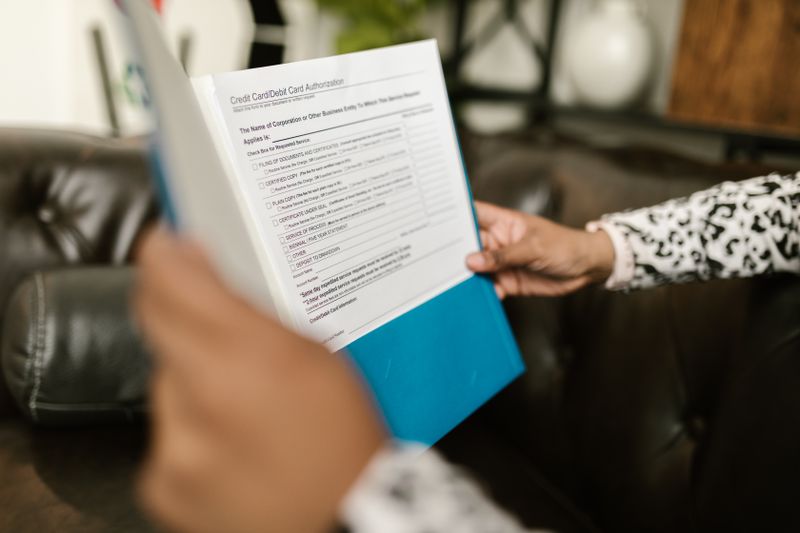
Many pensions, life insurance policies and workplace death-in-service schemes pay out according to a nomination form rather than according to a will. That means an out-of-date nomination can direct a substantial sum to a former partner or a parent regardless of what the will says.
The forms are usually completed when someone joins an employer and then never looked at again, sometimes for decades. Updating them is typically a ten-minute administrative task, and it is one of the highest-value pieces of paperwork a newly married couple can do. The exact interaction between nominations, wills and local succession law varies by country, which is why checking locally matters more than following a general rule.
The list worth going through
Work through workplace pensions, personal pensions, life insurance, death-in-service cover, and any investment or savings account with a nomination facility. Add bank accounts where your jurisdiction allows a nominee, and any employer benefit that pays out to a designated person.
Note any policy taken out before the relationship, since those are the ones most likely to name someone you would no longer choose. Keep a single list of what exists and where it is held, because the hardest part later is usually discovering that a policy existed at all. Set a recurring reminder to check the list annually, and check it immediately after any job change, since new employment means new schemes.
Wills and what happens without one
Dying without a will means local intestacy rules decide the distribution, and those rules frequently do not match what couples assume. In many jurisdictions a surviving spouse does not automatically receive everything, particularly where there are children or surviving parents.
On the joint account, marriage revokes an existing will in some legal systems and not in others, which is a detail with very large consequences. Couples with property, children from previous relationships, or assets in more than one country have the strongest case for professional drafting. This is general information rather than legal advice, and a local solicitor or notary is the right person to confirm any of it.
Next of kin is less automatic than people think
Many people assume a spouse can automatically make medical decisions for them, and in a number of jurisdictions that is simply not the case. Where it is not automatic, a specific document is required, variously called a power of attorney, a health directive or an equivalent local instrument.
When the same row comes back, the time to complete one is while both of you are well, since the documents generally require capacity to sign. Hospitals in some countries will accept a spouse's involvement informally and in others will not without paperwork, and the difference appears at the worst moment.
Check the position where you live, and check again if you move countries, since these documents do not always travel.
The administrative cascade
If either of you changes name, the update has to propagate through passports, driving licences, banks, employers, insurers, tax authorities and immigration records. Order matters, since some institutions require an updated identity document before they will accept the change, and doing it in the wrong sequence wastes weeks. Changing a name on some documents and not others creates mismatches that cause problems at borders and with financial institutions.
A year in, there is no obligation to change anything, and keeping your name is administratively simpler, which is a legitimate consideration among others. Whatever you choose, do it as one deliberate project with a checklist rather than reactively over two years.
A ten-minute annual review
Once a year, check nominations, confirm your insurance still matches your circumstances, and verify that both of you can access the account list. Trigger an off-schedule review whenever you move, change employer, buy property, have a child or receive an inheritance. Insurance in particular tends to be sized for the life you had when you bought it rather than the one you have now.
If one partner would be unable to cover the housing costs alone, that is the gap most life insurance is actually bought to close. None of this is a substitute for professional advice, and the more countries and assets involved, the stronger the case for getting it.
The takeaway
Spend one evening on the forms, because the documents that decide what happens to your money are usually not the ones you think they are.
The recurring argument is usually one argument in different clothes.
Questions readers ask
Does getting married automatically update my pension beneficiary?
Usually not. Nominations generally have to be changed by you, and in many schemes they sit outside your will and take precedence over it.
Do we both need wills straight away?
It depends where you live and what you own, since intestacy rules vary widely and often do not match assumptions. Property, children from previous relationships or assets abroad make it considerably more urgent.
Also by Rohan Fernandes
- The first shared budget is a values conversation wearing a spreadsheetMoney Together
- Invisible labour is a noticing problem before it is a fairness problemRunning a Home
- An emergency fund is a document about what you are afraid ofMoney Together
- Renting or buying together is a decision about risk, not propertyMoney Together